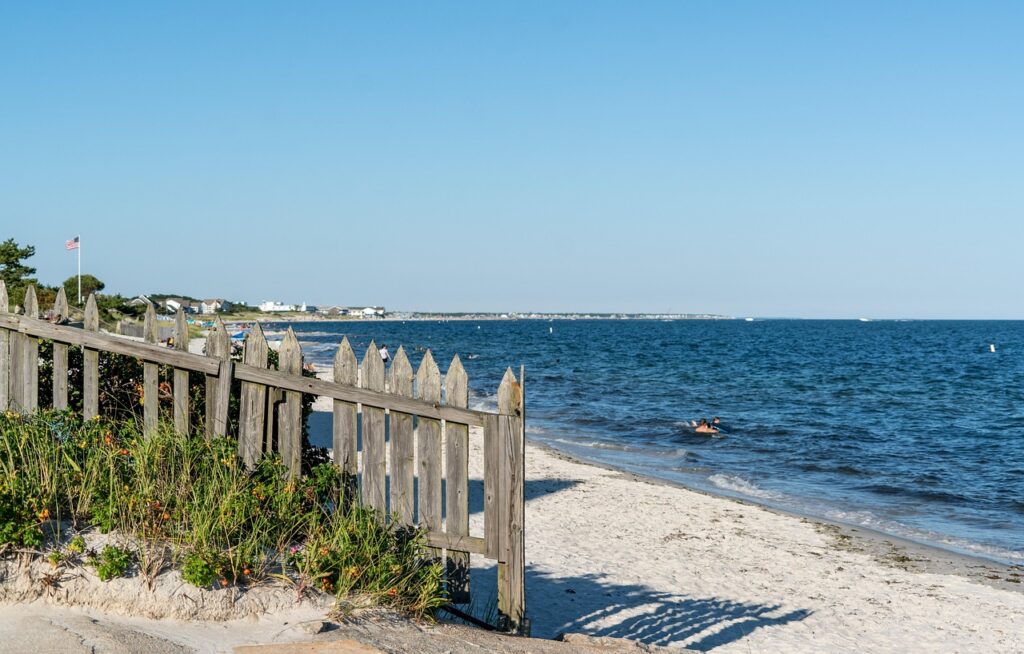

When it comes to Design Line Yarmouth, it’s not just about coastal fashion flair; it’s a journey towards a more sustainable fashion world where every stitch counts for our planet. As consumers become increasingly environmentally conscious, brands like this are steering away from fast trends towards ethical clothing crafted with care and respect for the ocean and earth. Let’s take a deep dive into how Design Line Yarmouth exemplifies green manufacturing and slow fashion values that resonate well beyond the shoreline. 🐚🌿
Design Line Yarmouth: How Coastal Fashion Embraces Sustainability with Eco-Friendly Innovation
The evolution of coastal fashion brands such as Design Line Yarmouth showcases the importance of thoughtful ocean-inspired design combined with rigorous sustainability efforts. This brand sets an example by crafting apparel with organic and recycled fabrics, reducing environmental impact through smart resource use. By adopting materials like hemp and bamboo, known for their rapid growth and minimal water consumption, they help to conserve vital ecosystems.
Choosing Sustainable Materials: The Fabric of a Greener Future
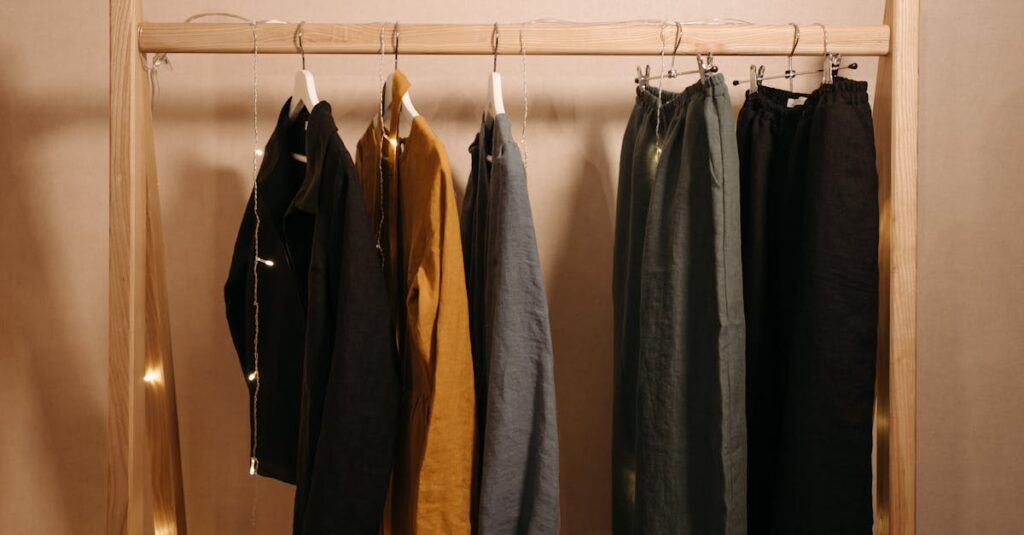
Design Line Yarmouth prioritizes fabrics that speak to environmental stewardship. Their reliance on organic cotton stands as a clear rejection of water-heavy, pesticide-dependent fibres. This choice parallels industry leaders like Patagonia, who similarly champion eco-friendly textiles to reduce fashion’s carbon footprint.

























The Philosophy of ‘Buy Less, Buy Better’ in Coastal Slow Fashion
One of the clearest differentiators in Design Line Yarmouth’s approach to sustainability is its dedication to longevity. Rather than chasing seasonal fads, they offer timeless, versatile styles designed to be worn for years, reducing turnover and waste. This aligns with slow fashion principles that advocate investing in fewer, high-quality pieces.
This approach not only minimizes waste but also helps consumers build minimalist wardrobes that complement the ever-changing coastal lifestyle. Their classic hues and simple silhouettes resist fleeting trends, keeping the focus on quality and ethical production.
Multi-functional Apparel as a Sustainability Strategy
Design Line Yarmouth is innovating with pieces that adapt to different occasions and weather conditions. For instance, reversible jackets and convertible garments provide multiple looks in one, reducing the need for additional clothing purchases. Such designs make adopting a sustainable lifestyle effortless.



























Local Artisanship and Green Manufacturing: Keeping Traditions Alive Responsibly
Keeping production anchored in their coastal roots, Design Line Yarmouth supports local artisans who apply traditional craftsmanship to create durable, unique garments. This reduces carbon emissions linked to transportation and supports the local economy—principles crucial to sustainable brands. With production grounded in Great Yarmouth’s rich heritage, the brand maintains authenticity while pushing for a greener future.
Zero Waste and Minimalist Design Techniques
Their commitment extends to minimising fabric waste through innovative design and cutting techniques, similar to movements like Zero Waste Daniel. Advanced digital tools help streamline production, saving materials and cutting emissions significantly—practices that are fundamental in achieving lasting eco-consciousness.






























Design Line Yarmouth’s Blueprint for Sustainability in Coastal Fashion
| Aspect 🧵 | Practice 🌱 | Impact 🌍 |
|---|---|---|
| Sustainable Fabrics | Use of hemp, bamboo, organic cotton | Reduces water and pesticide use by 60-80% |
| Artisanal Production | Locally sourced, single-maker craftsmanship | 90% lower carbon footprint from transportation |
| Multi-functional Designs | Convertible, reversible garments | Reduces wardrobe size, waste reduction |
| Zero Waste Techniques | Pattern cutting optimizations | Near zero textile waste in production |
| Slow Fashion Philosophy | Timeless, durable core collections | Less consumptive lifestyle, sustainable shopping habits |
Embracing such multi-layered strategies ensures Design Line Yarmouth continues making waves in eco-conscious coastal fashion.



























How Design Line Yarmouth Fits in the Broader Movement of Ethical Coastal Clothing
As global awareness on sustainability grows, coastal fashion brands must respond to consumer expectations. Design Line Yarmouth’s ethos aligns with trends pointing to an increase in environmentally responsible clothing consumption and a rising demand for transparency.
Other brands such as Dubarry and Marine Layer complement this movement but with distinct niches, leaving Design Line Yarmouth to carve out a unique coastal sustainability story rich in tradition and innovation.

























Frequently Asked Questions on Design Line Yarmouth and Coastal Sustainable Fashion
{« @context »: »https://schema.org », »@type »: »FAQPage », »mainEntity »:[{« @type »: »Question », »name »: »What materials does Design Line Yarmouth primarily use? », »acceptedAnswer »:{« @type »: »Answer », »text »: »They rely on organic cotton, bamboo, hemp, and recycled fabrics known for their eco-friendliness and minimal environmental impact. »}},{« @type »: »Question », »name »: »How does Design Line Yarmouth contribute to reducing fashion waste? », »acceptedAnswer »:{« @type »: »Answer », »text »: »Through reversible designs, zero waste pattern cutting, and encouraging a buy less, buy better philosophy, they minimize textile waste and promote longer durability. »}},{« @type »: »Question », »name »: »Where are Design Line Yarmouth garments manufactured? », »acceptedAnswer »:{« @type »: »Answer », »text »: »Manufacturing is centered in Great Yarmouth, supporting local artisans and maintaining a localized production footprint. »}},{« @type »: »Question », »name »: »Is Design Line Yarmouth suitable for year-round wear? », »acceptedAnswer »:{« @type »: »Answer », »text »: »Yes, their core collection is designed to offer versatility for all seasons, reflecting the practical needs of coastal living. »}},{« @type »: »Question », »name »: »How does Design Line Yarmouth compare to other sustainable fashion brands? », »acceptedAnswer »:{« @type »: »Answer », »text »: »It stands out through its deep coastal roots, focus on artisanal craftsmanship, and commitment to green manufacturing practices. »}}]}What materials does Design Line Yarmouth primarily use?
They rely on organic cotton, bamboo, hemp, and recycled fabrics known for their eco-friendliness and minimal environmental impact.
How does Design Line Yarmouth contribute to reducing fashion waste?
Through reversible designs, zero waste pattern cutting, and encouraging a buy less, buy better philosophy, they minimize textile waste and promote longer durability.
Where are Design Line Yarmouth garments manufactured?
Manufacturing is centered in Great Yarmouth, supporting local artisans and maintaining a localized production footprint.
Is Design Line Yarmouth suitable for year-round wear?
Yes, their core collection is designed to offer versatility for all seasons, reflecting the practical needs of coastal living.
How does Design Line Yarmouth compare to other sustainable fashion brands?
It stands out through its deep coastal roots, focus on artisanal craftsmanship, and commitment to green manufacturing practices.
For those captivated by sustainable fashion’s potential and the unique angle of coastal lifestyle clothing, a visit to the Great Yarmouth Wax Museum or learning about local sustainability initiatives can provide further inspiration and community context.