

Active shooter situations are unpredictable and demand immediate action, which makes the functionality and reliability of police alert systems critical for public safety. Addressing concerns in Yarmouth, Maine today requires understanding how these alert systems work to keep communities informed and protected.
How Police Alert Systems Notify Residents During Active Shooter Incidents in Yarmouth Maine
When an active shooter threat emerges, law enforcement agencies utilize multi-channel alert systems that can rapidly reach residents and workers through various devices and platforms. In Maine, alerts may come via the state’s Emergency Alert System (EAS), text messages, push notifications on mobile devices, and broadcast interruptions. These systems are designed to instantly communicate essential safety instructions while enabling authorities to track receipt and acknowledgment of these alerts.
- 📱 Multi-Channel Delivery: Notifications are sent through mobile phones, digital signage, desktop pop-ups, and radio/TV broadcasts to maximize reach.
- ⏱️ Seconds Matter: Fast dissemination can save lives by providing quick instructions on shelter-in-place or evacuation.
- ✔️ Acknowledgment Tracking: These systems confirm who received and opened alerts, essential for emergency response audits.
- 🔄 Integration: Police alert systems sync with local directories, visitor registries, and communication infrastructure for seamless operation.
Examples of Leading Alert Systems Used in Emergency Responses
Across the U.S., including Maine, law enforcement agencies deploy advanced platforms for timely active shooter alerts:
- 🔥 Everbridge – Delivers real-time public safety alerts with multi-modal delivery.
- 📢 Rave Mobile Safety – Specializes in mass notifications and real-time communication.
- 🚨 Alertus – Provides desktop notifications and digital signage integration.
- 📳 OnSolve – Combines multiple communication tools for emergency alerts.
- 📡 CodeRED – Known for community-specific urgent messaging.
- 🗣️ Regroup Mass Notification – Enables rapid alerting especially for large organizations.
- ⚡ RapidNotify – Focuses on instant alert delivery and acknowledgment tracking.
- 📚 Blackboard Connect – Often used in educational institution alerts.
- 📞 Singlewire Informacast – Delivers mass notifications across devices including phones and IP speakers.
- 📢 Hyper-Reach – Simple, user-friendly alert notifications for communities.



























































Understanding AMBER and Silver Alerts in Context of Maine’s Emergency Protocols
Maine’s alert systems are well established beyond just active shooter notifications. The state distinguishes between AMBER Alerts for child abductions and Silver Alerts for missing adults with cognitive impairments, involving specific activation criteria and distribution protocols.
- 👶 AMBER Alerts activate only if a child under 18 is abducted with imminent danger and public information is available.
- 👴 Silver Alerts focus on adults with dementia or developmental disabilities who are missing, but do not interrupt broadcasts via EAS.
- ⚖️ Criteria Compliance: AMBER Alerts are only for abductions, not runaways or custody disputes.
- 📡 Distribution Channels: AMBER Alerts use the statewide EAS to interrupt broadcasts, while Silver Alerts use targeted channels without broadcast interruption.
The History and Impact of AMBER Alerts in Maine
Since 2002, the AMBER Plan in Maine has triggered notable rescues:
- 🚗 In 2009, a father abducted his two-year-old daughter. Thanks to an AMBER Alert, a hunter located them on a forest road and alerted authorities.
- 🏙️ In 2016, a three-year-old missing along with caregivers in Augusta was quickly recovered following an alert activation.
























































How to Choose and Deploy an Effective Active Shooter Alert System in Your Community
Choosing the right alert system is a vital part of emergency preparedness. Failure can lead to delayed warnings, resulting in loss of life or legal repercussions. Here’s a guide for selecting the ideal system:
| Criteria 🔍 | Why It Matters 📌 | Examples/Features ⚙️ |
|---|---|---|
| Multi-Channel Reach | Ensures alerts reach all recipients despite communication outages. | Desktop pop-ups, SMS, mobile push, digital signage |
| Acknowledgment & Audit Trail | Proof of communication is crucial for compliance and crisis management. | Read receipts, exportable reports |
| Integration | Seamlessly fits into existing IT and communication systems for smooth deployment. | API connections with HR and security databases |
| User-Friendliness | Allows quick response by authorized personnel without delays. | Pre-made templates, panic buttons, role-based controls |
| Accessibility | Reaches diverse populations including visually impaired and non-English speakers. | Text-to-speech, multilingual support, visual alerts |
- 🛠️ Plan early with IT and safety teams.
- 👥 Define clear roles for alert authorization.
- 🎯 Conduct regular drills to ensure familiarity.
- 💬 Segment groups to tailor messages.
- 🔄 Audit and test the system frequently.
- 🤝 Collaborate closely with local law enforcement agencies.
Common Challenges in Emergency Alert System Deployment and How to Avoid Them
- 📧 Relying solely on email or chat platforms which may bury urgent alerts.
- 🛑 Neglecting staff training leading to ignored or mishandled messages.
- 🔍 Overemphasis on detection hardware without robust communication tools.
- 🌐 Ignoring accessibility needs reduces reach.
- ⚠️ Using the system for non-critical info leading to alert fatigue.
- 💸 Budgeting too low or scaling too fast without proof of concept.
By focusing on robust multi-channel notifications, acknowledgment tracking, and strategic training, communities can better prepare for active shooter incidents.






















































Real-World Success Stories of Active Shooter Communication Systems
Various organizations across sectors have successfully implemented advanced alert systems:
- Healthcare: CHU Saint-Pierre hospital in Belgium quickly notified staff during a terrorist attack, saving lives and reducing panic.
- Education: University of Southampton relies exclusively on DeskAlerts for emergencies, ensuring immediate staff reaction and audit trails.
- Government: Companies House in the UK uses instant cascading messages to manage incidents effectively.
- Manufacturing: Verso Corporation sends alerts to noisy factory floors where workers don’t have direct email or phone access.
How to Get Started Today: Partnering with Experts Like DeskAlerts
Implementing a powerful system requires more than technology; it demands expert guidance. Platforms like DeskAlerts provide:
- 🆘 Virtual panic buttons for instant alerts.
- 📝 Pre-written message templates for quick dissemination.
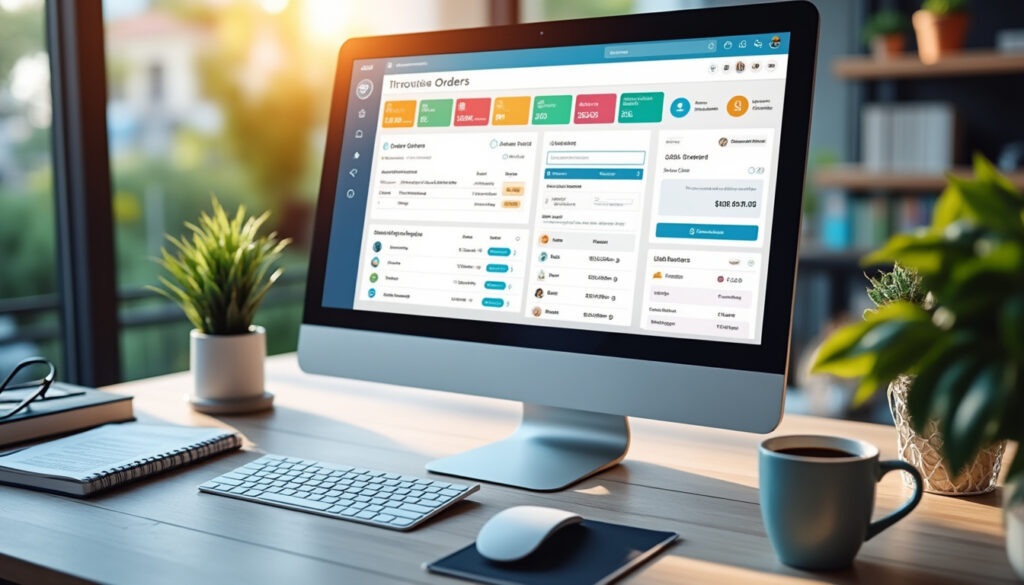
- ✅ Full compliance reports and acknowledgment tracking.
- 🌍 Integration with existing corporate ecosystems.
These features enable superb coordination and rapid response to protect communities and workplaces alike during critical emergencies.
What makes an effective active shooter alert system?
An effective system must deliver alerts rapidly across multiple channels, verify receipt by recipients through acknowledgment tracking, integrate with existing IT infrastructure, and be user-friendly for quick activation.
How do AMBER and Silver Alerts differ in Maine?
AMBER Alerts target child abductions with imminent danger and use the Emergency Alert System. Silver Alerts focus on missing vulnerable adults but do not interrupt broadcasts.
What are common mistakes to avoid when deploying police alert systems?
Relying only on email, lack of staff training, ignoring accessibility, and overuse for non-critical messages are common pitfalls.
Which commercial alert platforms are trusted for active shooter notifications?
Systems like Everbridge, Rave Mobile Safety, Alertus, OnSolve, CodeRED, Regroup Mass Notification, RapidNotify, Blackboard Connect, Singlewire Informacast, and Hyper-Reach are widely trusted.
Why is coordination with local law enforcement important in active shooter notifications?
Collaboration ensures alerts are validated, roles are clear, and the response is coordinated, improving safety and compliance.