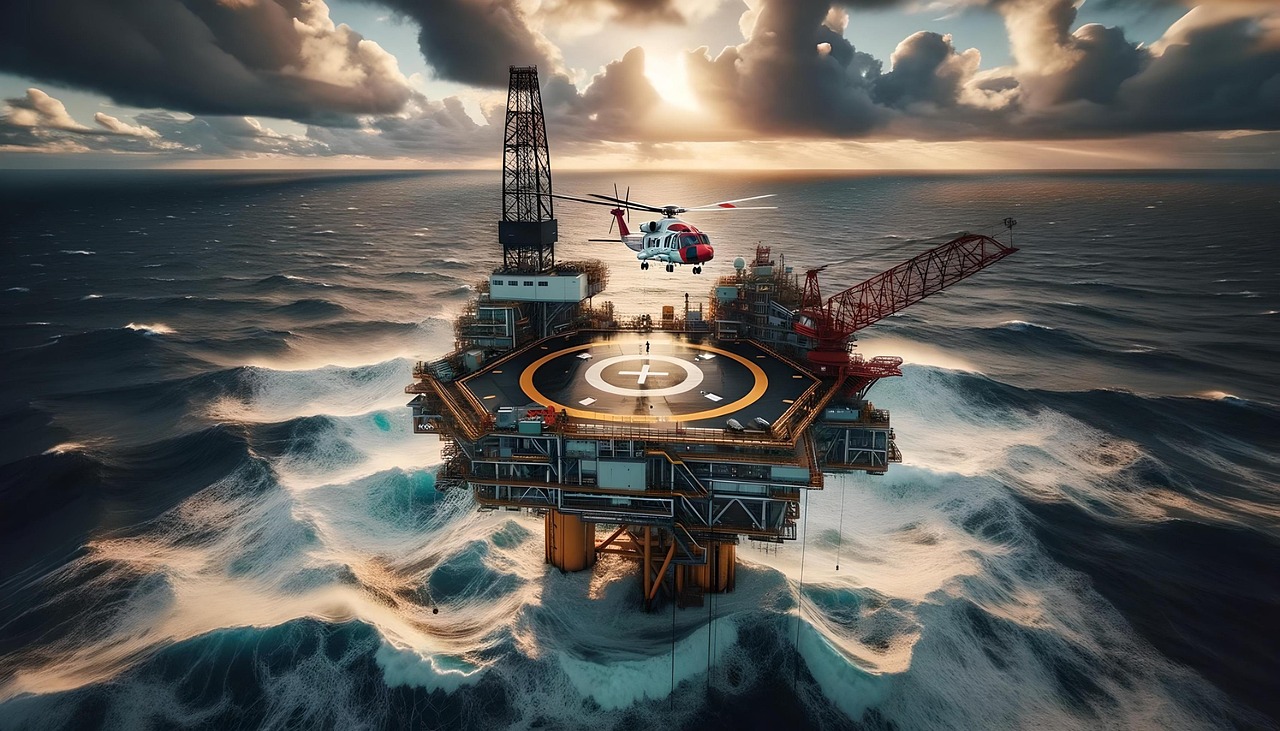
Great Yarmouth is transforming its identity from a traditional fishing port to a thriving offshore energy hub, thanks to a major expansion spearheaded by Peel Ports Group. With an investment of up to £60 million in a new deep-water Southern Terminal, the port is poised to support the booming energy and infrastructure sectors on the UK’s east coast, setting the stage for significant regional economic growth.
How Great Yarmouth’s Port Expansion Drives Offshore Energy Growth
The Port of Great Yarmouth, known for hosting one of the deepest non-tidally restricted harbors on the UK’s east coast, is undergoing a critical upgrade with the development of a new deep-water Southern Terminal at the Outer Harbour. This expansion features:
- 🔹 A 350-meter extension of quay to accommodate large vessels
- 🔹 Installation of a Roll on/Roll off (RoRo) ramp for efficient cargo movement
- 🔹 A heavy-lift pad tailored for oversized infrastructure components
- 🔹 Approximately 10 hectares of reinforced outdoor storage space for heavy and specialized cargo
This infrastructure aims to facilitate major projects like the Sizewell C nuclear power station and several offshore energy developments in the southern North Sea. The port’s less restrictive access compared to regional competitors, who face challenges such as locks and shallow channels, makes it a natural logistical hub for heavy equipment and materials.
Partnerships With Key Industry Players Power the Transformation
Great Yarmouth’s evolution into an offshore energy hub isn’t a solo act. The port now collaborates with industry giants such as Siemens Gamesa, Vattenfall, Ørsted, and ScottishPower Renewables, who are pivotal in the offshore wind sector. Other critical contributors include GE Renewable Energy, Petrofac, Equinor, RES Group, RWE Renewables, and MHI Vestas.
- ⚡ These companies utilize the port’s expanded capabilities to stage, transport, and maintain offshore renewable energy infrastructure.
- ⚡ The strategic location fosters efficient supply chain dynamics, reducing costs and timelines for offshore energy projects.
This synergy not only enhances the port’s operational excellence but also boosts employment and skills development in the region, highlighting Great Yarmouth’s central role in the UK’s energy transition.









































Economic Ripple Effects of the New Offshore Energy Campus
Alongside the deep-water terminal, Great Yarmouth has invested £25 million in a state-of-the-art offshore operations and maintenance campus on the South Denes peninsula, serving offshore energy projects. This facility offers:
- 🛠️ Support for operations and maintenance teams working on offshore wind farms
- 🛠️ Training and development programs to build a skilled local workforce
- 🛠️ Business opportunities for local suppliers and subcontractors
The campus’s development is a cornerstone in cementing Great Yarmouth’s reputation as a hub for renewable energy, driving diversification away from fishing and traditional maritime industries.
Key Infrastructure Projects Supported by Great Yarmouth’s Facilities
| Project Name 🏗️ | Type ⚙️ | Status 🚀 | Key Partners 🤝 |
|---|---|---|---|
| Sizewell C Nuclear Power Station | Nuclear Power | Under Construction | EDF Energy, Peel Ports |
| East Anglia ONE & THREE | Offshore Wind | Operational / Expansion | Ørsted, Vattenfall |
| Hornsea Project | Offshore Wind | Development | Ørsted, ScottishPower Renewables |
These infrastructure initiatives highlight the multifaceted role Great Yarmouth plays in delivering the UK’s energy future.










































Challenges and Strategies in Expanding Great Yarmouth’s Offshore Energy Capacity
While the future looks promising, expanding port facilities to meet the surge in offshore and onshore infrastructure demands presents unique challenges, including:
- ⚠️ Obtaining timely planning permission — Peel Ports Group anticipates a decision by early 2026.
- ⚠️ Coordinating complex logistics to avoid bottlenecks on land transport routes.
- ⚠️ Ensuring environmental safeguards are met to protect local ecosystems.
To address these issues, stakeholders emphasize:
- ✅ Leveraging Great Yarmouth’s natural deep-water advantage to reduce navigational constraints.
- ✅ Creating reinforced outdoor storage and heavy-lift facilities to streamline cargo handling.
- ✅ Collaborating closely with local authorities, energy companies, and community groups.
Strategic efforts like these ensure Great Yarmouth remains a competitive, reliable partner in the UK’s energy infrastructure landscape.





























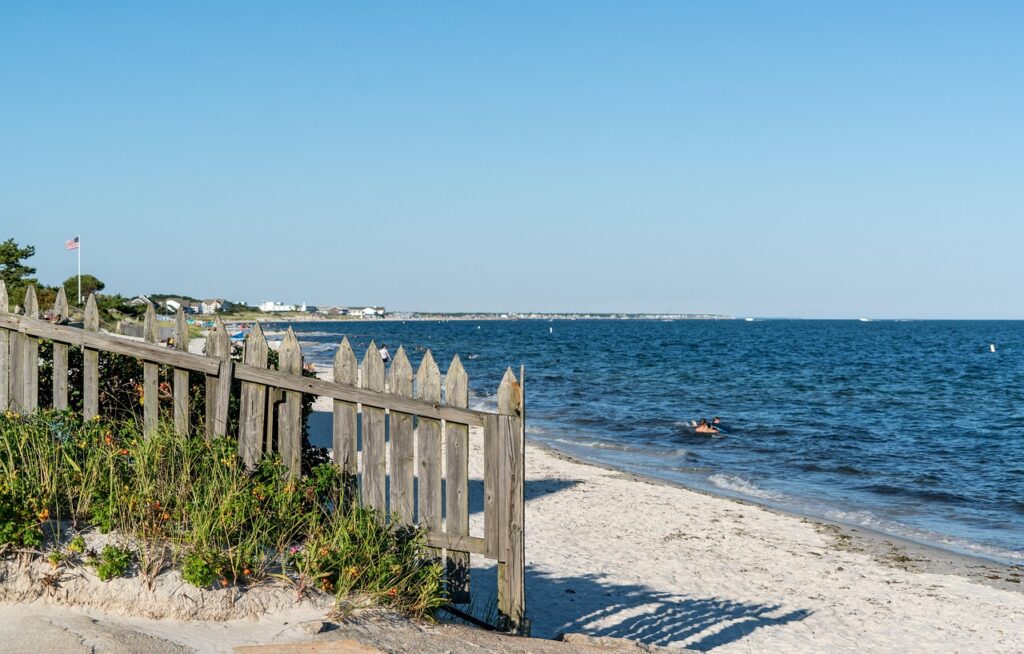








Explore Great Yarmouth: Beyond Energy, A Town to Experience
For visitors and residents alike, Great Yarmouth’s charm extends beyond its industrial prowess. Whether you are arriving to witness the port’s exciting transformation or to enjoy coastal charm, the area offers:
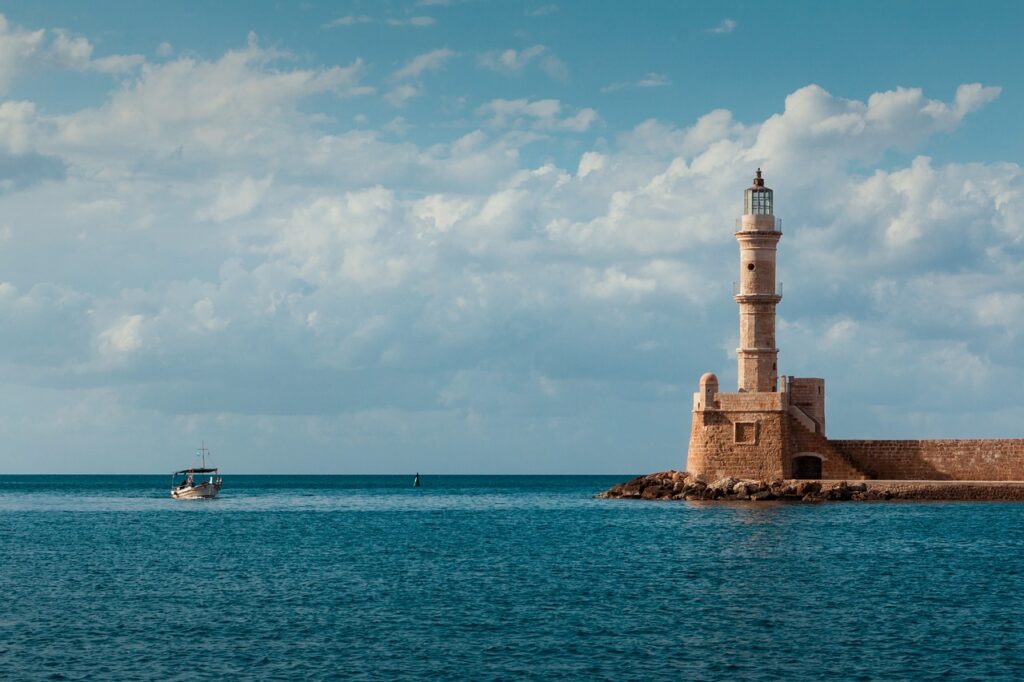
- 🌊 Scenic lighthouse tours and picturesque seaside walks
- 🦞 Fresh seafood and live music events
- 🏘️ Rich cultural heritage and welcoming villages nearby
For a detailed itinerary mixing history, nature, and cuisine, discover a perfect weekend plan at Yarmouth Villages, a great resource to get the most out of your visit.










































FAQs on Great Yarmouth’s Transition to an Offshore Energy Hub
What makes Great Yarmouth ideal for offshore energy projects?
Its naturally deep and non-tidally restricted harbor allows easy access for large vessels, combined with fewer navigational constraints than competing east coast ports.
Which companies are involved in the offshore energy developments at Great Yarmouth?
Several industry leaders such as Siemens Gamesa, Ørsted, Vattenfall, ScottishPower Renewables, and GE Renewable Energy actively participate in projects supported by the port.
When will the new Southern Terminal become operational?
Pending planning approval expected in early 2026, construction is likely to progress shortly after, aiming for phased operations by late 2026 or early 2027.
How does the port expansion impact local employment?
The expansion supports hundreds of new jobs, especially in offshore maintenance, logistics, and construction, fostering skill development within the community.
Can visitors explore the traditional and contemporary aspects of Great Yarmouth?
Absolutely, the area blends rich maritime heritage with modern energy innovations, complemented by cultural events, fresh seafood, and scenic coastal walks.