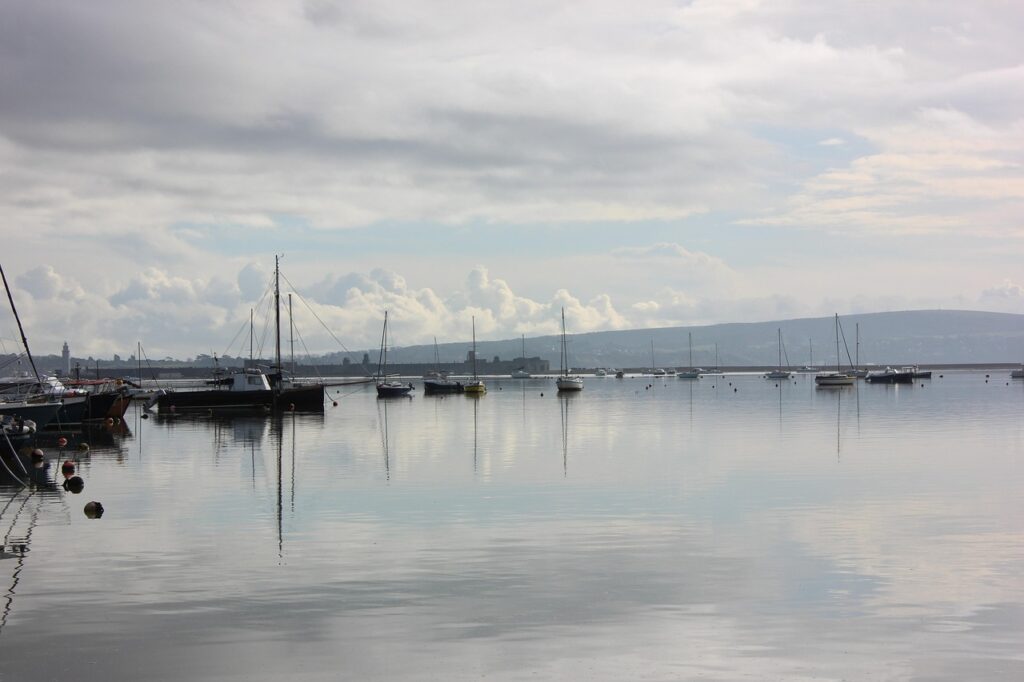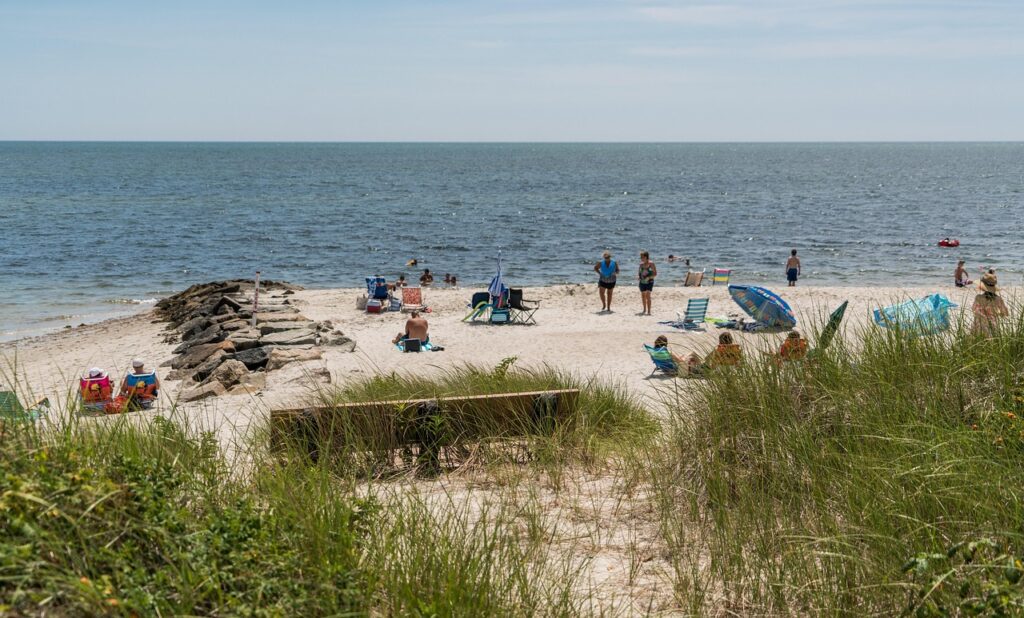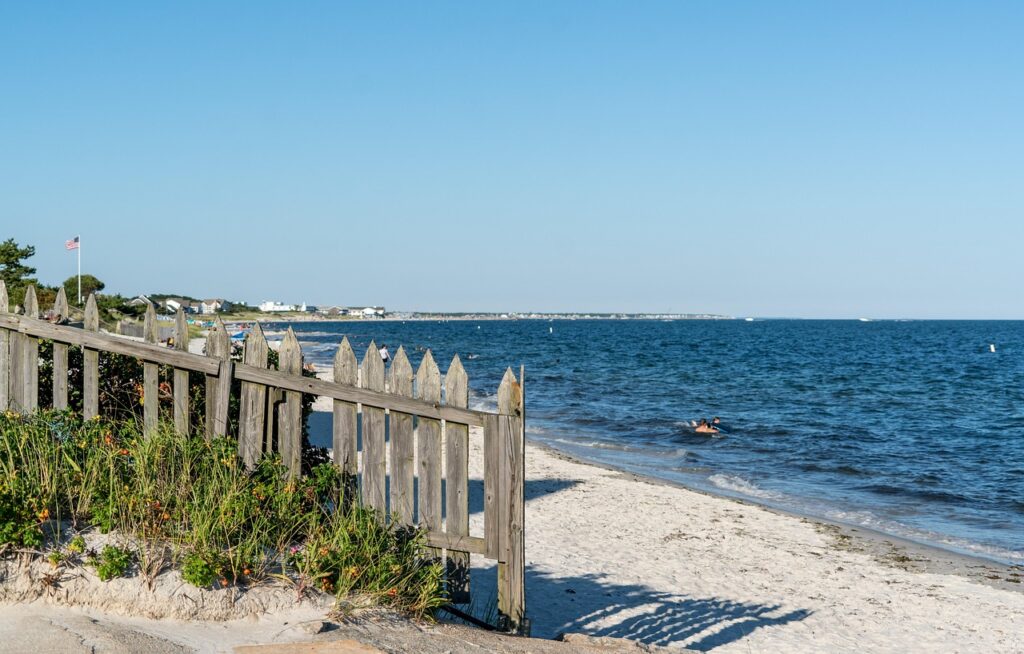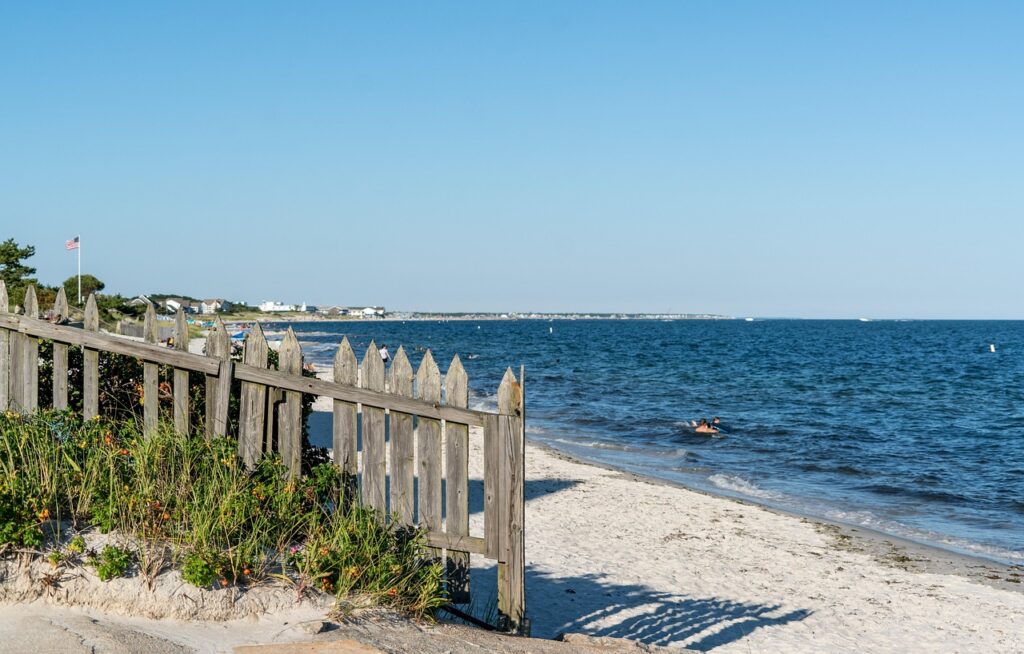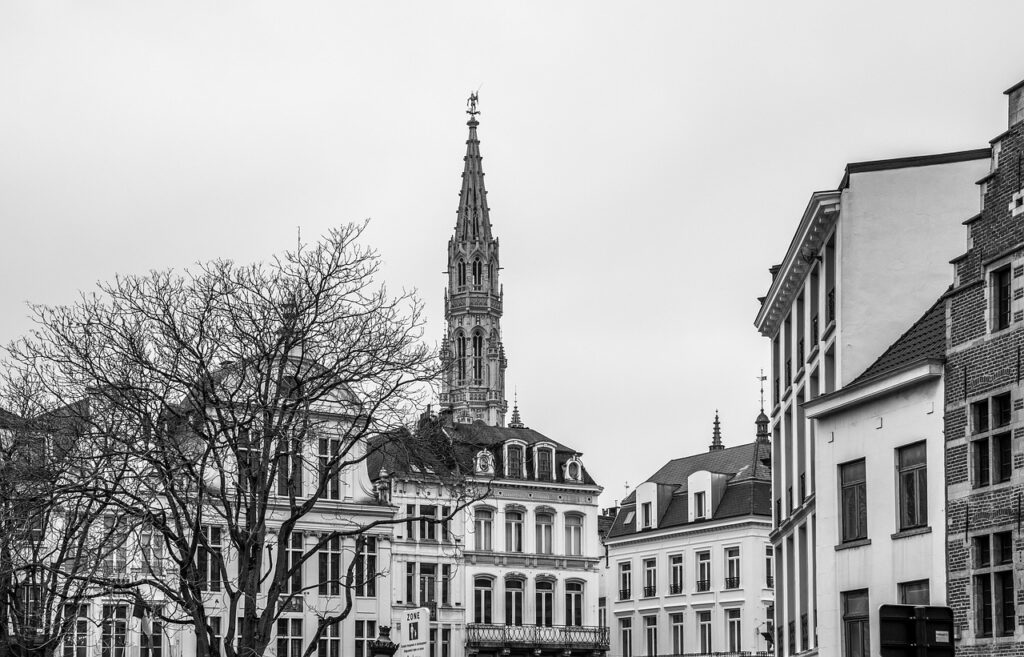
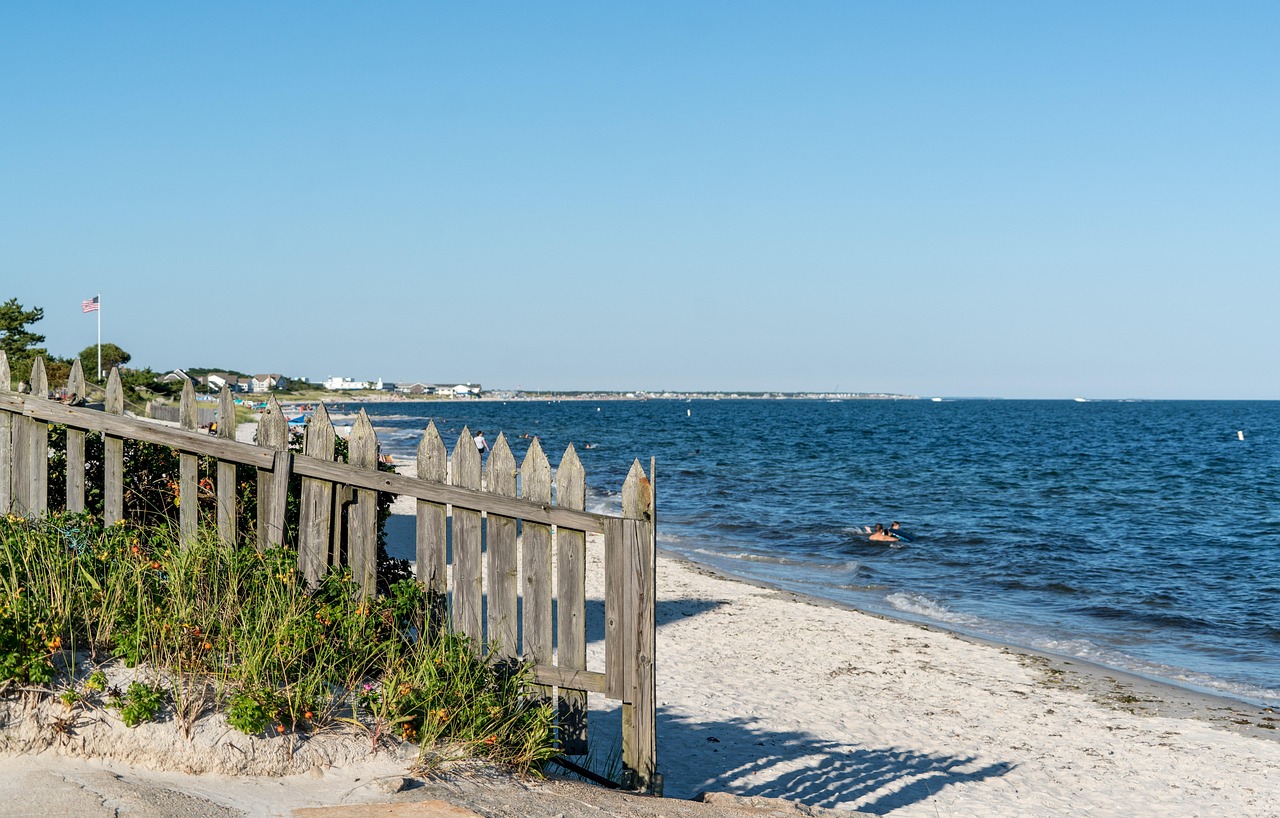
Little Yarmouth, a quaint hamlet once bustling with life, now stands as a fleeting whisper in the annals of Heritage Tales. Nestled within the folds of Timeworn England, its story unfolds through Echoes of Yarmouth and Whispers of Little Yarmouth, offering a poignant glimpse into a Forgotten Hamlet swallowed by the relentless tides of change. This article dives into the fabric of Old Hamlet Chronicles, exploring the forces that transformed this lively village into one of the many Lost Villages scattered across the English countryside, forever enshrouded in Pastscape Stories and Ghost Town Legends.
Unraveling the History of Little Yarmouth: From Thriving Hamlet to Lost Village
The story of Little Yarmouth encapsulates the prevailing narrative of many Hidden England settlements, tracing a path from prosperity to obscurity. The hamlet’s origins, growth, and eventual decline mirror the broader socio-economic shifts that reshaped rural England across centuries.
Timeline of Little Yarmouth’s Evolution
| Period 🕰️ | Event 🌿 | Impact ⚡ |
|---|---|---|
| Medieval Era | Establishment as a fishing and farming community | Thrived on coastal trade and agriculture |
| 17th Century | Integration into regional markets | Economic growth with increasing population |
| 19th Century | Industrial shifts and urban migration | Slow depopulation begins, hamlet declines |
| Early 20th Century | Isolation intensifies due to transport evolution | Further loss of residents and services |
| Mid 20th Century onwards | Village fades into obscurity, classified as a lost hamlet | Preservation mainly through Heritage Tales and local lore |
- 💡 Its geographic isolation was a key factor in its decline.
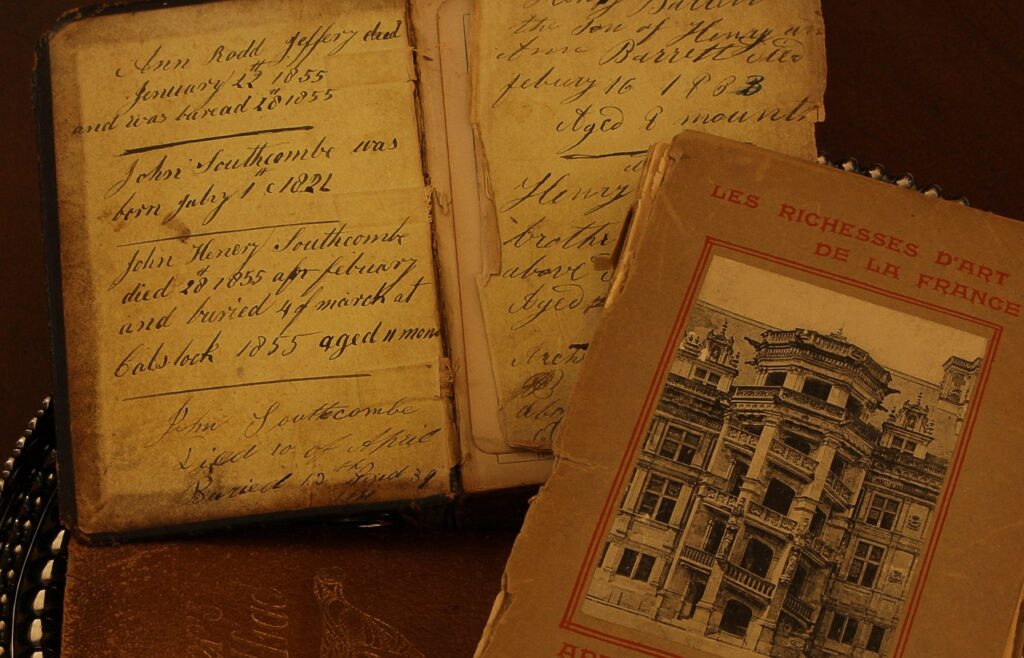
- 📜 Archival documents reveal a tapestry of everyday life now almost forgotten.
- 🌊 Coastal shifts affected its fishing economy, accelerating abandonment.
Little Yarmouth in the Landscape of Forgotten Hamlets
While engaging with the current real estate trends in Greater Yarmouth, it’s striking how much Lost Villages like Little Yarmouth contrast the bustling towns today. These hamlets offer invaluable insights into how communities adapt – or fail to adapt – to economic transformations.
- 🌿 The hamlet’s story highlights socio-economic cycles affecting rural England.
- 📈 Nearby towns owe part of their growth to resources once managed by such hamlets.
- 🔍 Studying these villages enriches understanding of English cultural geography.























































Architectural and Cultural Remnants: What Still Speaks in Little Yarmouth
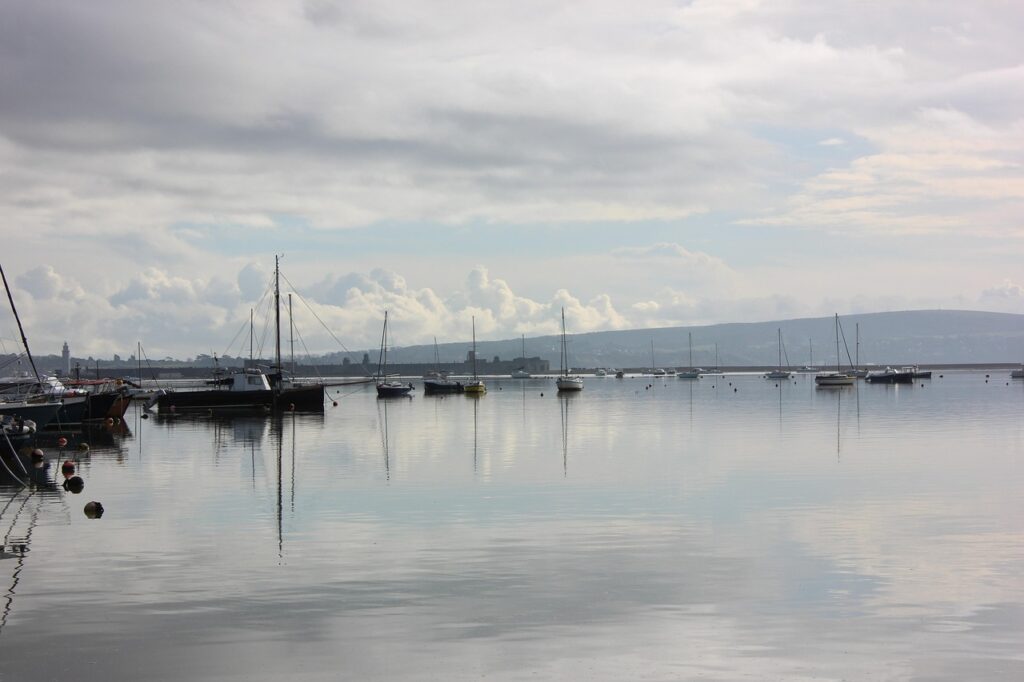
Even as Ghost Town Legends shroud Little Yarmouth, fragments of its past endure, painting a vivid picture of life long vanished. From crumbling stone cottages to hidden pathways and ancient wells, these relics preserve the Whispers of Little Yarmouth for enthusiasts of Pastscape Stories.
Preserved Features and Historic Markers
| Structure 🏡 | Condition ↗️ | Historical Significance 🏛️ |
|---|---|---|
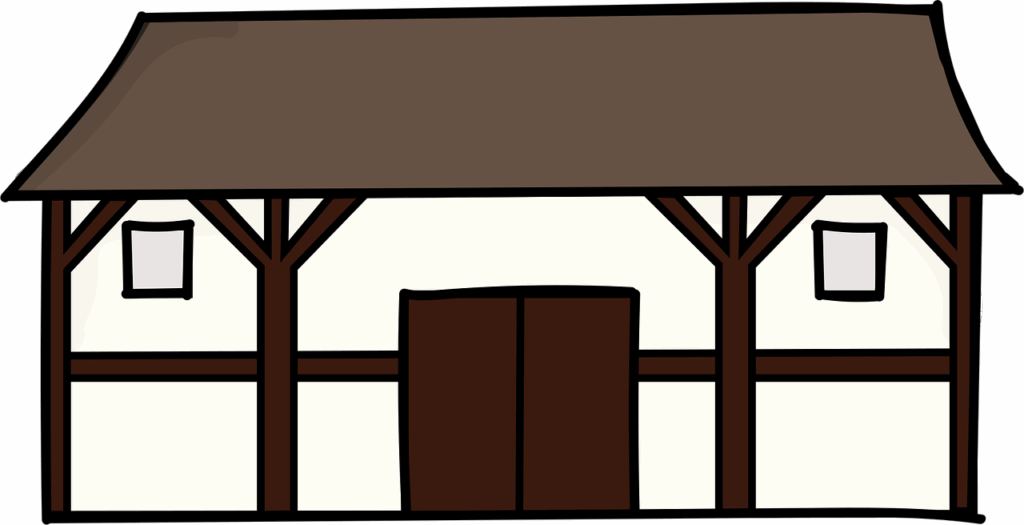
| Stone Cottage Remnants | Partially standing, roofless | Typical 17th-century rural architecture |
| Old Fishing Dock Foundations | Submerged and eroded | Indicative of once-thriving local fishing industry |
| Stony Pathways | Overgrown but traceable | Connective routes between homes and markets |
| Ancient Well Site | Filled in but marked | Essential water source for residents |
- 🔔 Visitors interested in rural heritage often explore these sites.
- 📚 Local museums and archives record oral histories reflecting village life.
- 🛠️ Conservation efforts occasionally revive highlighted features.
Community Legacy and Contemporary Relevance
Exploring Little Yarmouth within the framework of Great Yarmouth’s evolving economy reveals obvious contrasts and lessons for present-day community development initiatives.
- 👥 Residents and historians collaborate to keep cultural memory alive.
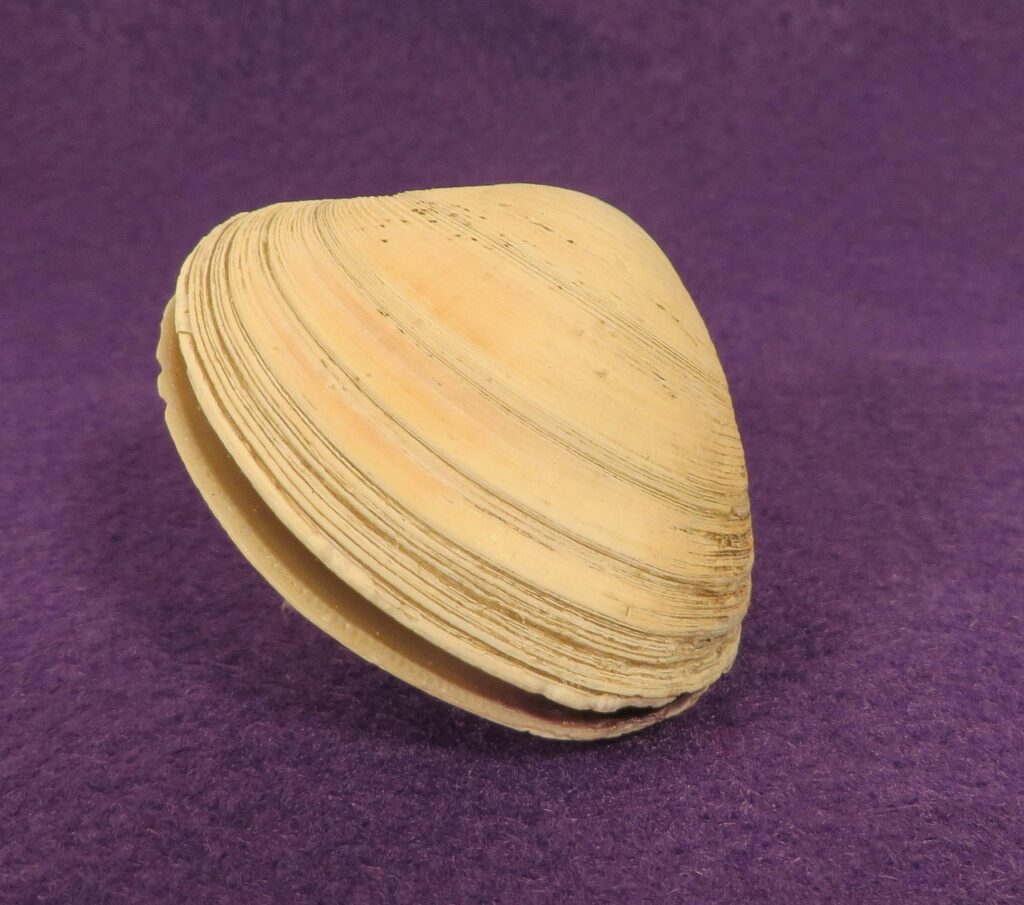
- 📅 Local events such as the Yarmouth Clam Festival celebrate regional heritage.
- 🚌 Proximity to active towns fosters interest in heritage tourism and conservation efforts.




















































Impact of Natural and Economic Changes on Lost Villages like Little Yarmouth
The fate of Little Yarmouth reflects broader themes found in rural England’s disappearing hamlets. Its trajectory encompasses interactions between environment, economy, and population movements, crucial in understanding Pastscape Stories across the region.
Environmental Challenges
- 🌊 Coastal erosion and flooding undermined key infrastructure
- 🌱 Shifts in agriculture and fishing practices changed livelihood sustainability
- 💨 Weather patterns increasingly unpredictable impacting settlement viability
Economic Transformations
- ⚓ Decline of traditional fishing reduced local employment drastically
- 🛤️ Transport changes isolated smaller settlements
- 🏭 Industrialization attracted younger generations to urban centers
- 📉 Lack of investment in rural infrastructure hastened decline
Lessons for Modern Communities
Modern rural development efforts can draw from Little Yarmouth’s fate through mindful planning and sustainable economic diversification, especially evident in areas mentioned on True Value Hardware’s local support of small enterprises.
- 🏘️ Fostering community cohesiveness helps withstand economic shocks
- 🌍 Diversifying economic bases ensures resilience against environmental changes
- 🛠️ Investing in infrastructure attracts and retains population






















































Frequently Asked Questions About Little Yarmouth and Lost Hamlets
Why did Little Yarmouth become a lost village?
Little Yarmouth declined due to a mix of coastal erosion, economic shifts away from fishing and farming, and increased isolation caused by transportation changes.
Are there still traces of Little Yarmouth visible today?
Yes, remnants like stone cottages, old pathways, and dock foundations endure, often visited by heritage enthusiasts exploring Hidden England.
Can visitors explore Little Yarmouth’s historic sites?
Though largely overgrown, the hamlet’s sites are accessible for those interested in rural history, with local archives and events such as the Yarmouth Clam Festival fostering cultural appreciation nearby.
What lessons does Little Yarmouth offer modern communities?
The hamlet’s history teaches the importance of sustainable development, economic diversity, and environmental awareness for community longevity.
Where can I find more information about surrounding areas?
Explore resources on real estate opportunities in Greater Yarmouth, economic shifts in the region, and local events like the Yarmouth Clam Festival 2025.